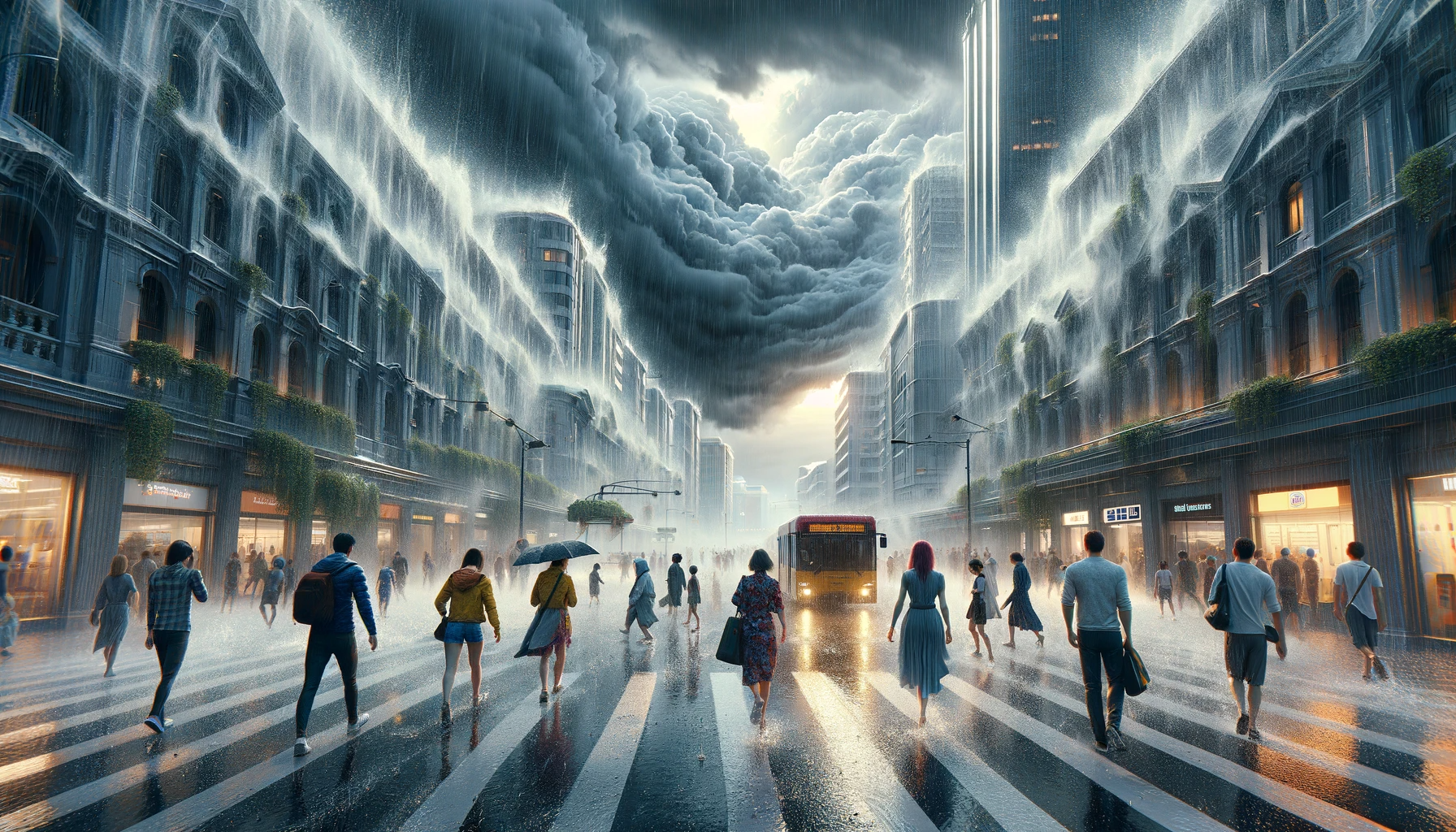
Dreams have always belonged naturally to art and literature because they speak the same language: image, symbol, distortion, emotion, and layered meaning. Writers and artists return to dreams because dreams make visible what ordinary realism often cannot hold so easily—desire, fear, memory, longing, contradiction, and transformation.
When dreams appear in literature and art, they are rarely there only to look strange. They usually deepen character, reveal unconscious motives, introduce prophecy or irony, or create symbolic space where inner truth becomes visible.
The interesting question is not just why dreams appear so often in art. It is: what do dreams allow art and literature to express that ordinary waking scenes often cannot?
Why dreams fit art and literature so naturally
Dreams and artistic language overlap. Both rely on metaphor, compression, displacement, atmosphere, and emotional truth that is not always literal. That is why dreams work so well in novels, poems, paintings, film, and myth. They allow creators to bypass direct explanation and move closer to psychological and symbolic depth.
In literature, dreams can:
- reveal hidden conflict,
- foreshadow change,
- intensify atmosphere,
- connect a character to memory or myth,
- or blur the line between reality and inner experience.
Dreams as windows into character
One of the strongest uses of dreams in literature is character revelation. A dream can expose what a character cannot say openly. It can show repression, fear, unresolved desire, guilt, ambition, or symbolic conflict more efficiently than dialogue or description.
Dream scenes in literature often tell the truth by leaving realism behind just enough for the unconscious to speak.
Dream logic and artistic freedom
Dream logic allows broken continuity, impossible transitions, strange scale, symbolic compression, and emotionally true absurdity. In art, that freedom can be extremely powerful. It allows creators to produce experiences that feel psychologically real even when they are not literally realistic.
This is one reason surrealism, symbolism, and many modern literary forms draw so heavily on dream-like structure.
Dreams as symbols in literature
Dreams often carry symbols that would be too obvious or too rigid if introduced in waking scenes alone. Water, houses, snakes, dead relatives, doubles, labyrinths, falling, fire, and doors all become richer in dream form because they can hold multiple meanings at once.
Psychological and historical importance
Historically, dreams in literature have served different functions: divine message, moral warning, prophetic device, psychological revelation, surreal disruption, or existential mirror. Modern psychology, especially Freud and Jung, also changed how dreams were used in art by making inner life more symbolically central.
Dreams in visual art
In visual art, dreams allow strange juxtapositions, symbolic objects, impossible scale, and emotionally charged images. Artists use dream material because it lets the image carry more than one layer of meaning. A dream image can be personal, mythic, disturbing, beautiful, and unresolved all at once.
Why dream imagery remains powerful today
Dream imagery still matters because modern life is highly rationalized and externally managed. Dreams offer a counter-language: one that keeps emotion, contradiction, and symbolic depth alive. In that sense, dream material continues to renew art because it resists flattening.
How to read dream scenes in literature more deeply
- Ask what the dream reveals that the waking narrative suppresses.
- Notice the emotional tone before decoding symbols.
- Compare the dream imagery to the character’s central conflict.
- Look for irony, foreshadowing, or compensation.
- Read the dream both psychologically and aesthetically.
If your own dreams feel artistically rich or symbolically dense, use Dreamly to track recurring images and emotional tones. Personal dream archives often become unexpectedly strong creative material.
FAQ: dreams in art and literature
Why are dreams used so often in literature?
Because they reveal hidden emotion, deepen symbolism, and let writers express psychological truth beyond strict realism.
What do dreams do in storytelling?
They can reveal character, foreshadow change, intensify atmosphere, and introduce symbolic conflict.
Why are dreams important in art?
Because dream imagery allows layered meaning, emotional intensity, and visual freedom that ordinary realism often limits.
Are literary dreams always symbolic?
Usually, but their role can also be structural, emotional, aesthetic, or thematic rather than purely symbolic.
How should I interpret dream scenes in literature?
Look at emotional tone, character conflict, recurring symbols, and what the dream reveals that waking scenes hide.