Dreams and Visions in Medieval Literature: Core Meaning
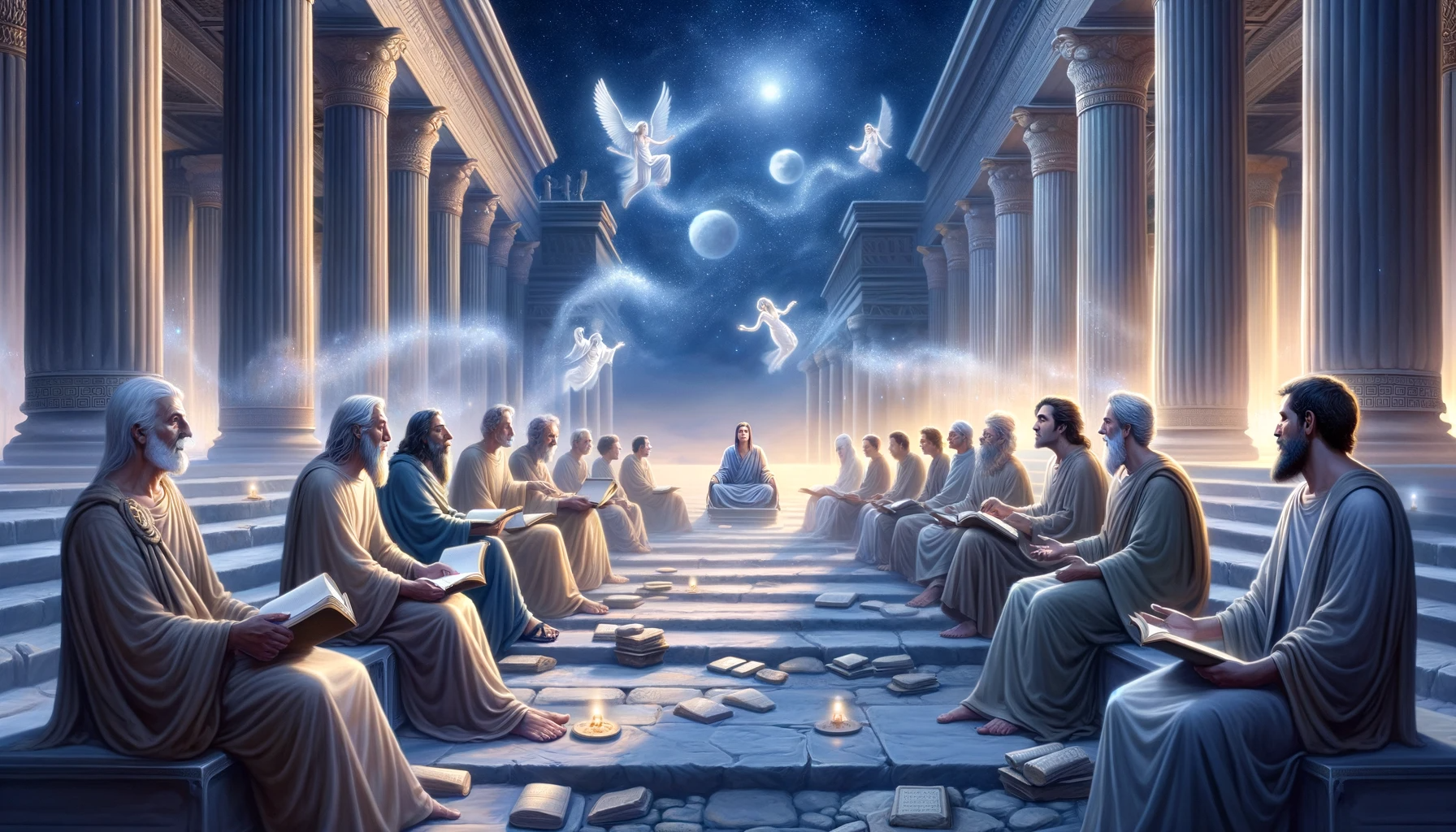
Dreams and visions in medieval literature are rarely decorative details. They often function as turning points, moral tests, spiritual revelations, or symbolic frameworks for understanding the human soul. Medieval writers used dream scenes to explore divine truth, temptation, inner conflict, political anxiety, love, death, and salvation. In many texts, a dream is not just a private mental event. It is a meaningful encounter between the visible world and an unseen order.
To read dreams and visions in medieval literature well, you have to look at both the literary function and the worldview behind it. Medieval authors wrote in cultures where dreams could be interpreted as divine messages, demonic deceptions, moral allegories, prophetic warnings, or reflections of the dreamer’s spiritual condition. Because of that, dream passages often reveal how medieval people understood conscience, desire, faith, knowledge, and destiny.
Why Medieval Writers Used Dream Visions
The dream vision became one of the most flexible literary devices of the medieval period. It allowed writers to build symbolic landscapes, stage debates between virtues and vices, and let narrators encounter figures who embodied truth, temptation, or memory. A dream framework also made difficult subjects easier to approach. Political criticism, theological reflection, grief, romantic longing, and social disorder could be explored indirectly through allegory.
Dream visions gave writers permission to move beyond ordinary realism. A narrator could fall asleep in sorrow, walk through an impossible landscape, meet personified ideas, speak to the dead, or receive insight that would be hard to present in purely literal form. That freedom made dream literature especially powerful.
Spiritual and Religious Meaning of Dreams in Medieval Texts
Christian theology shaped much medieval dream writing. Dreams could be seen as gifts from God, especially when they brought moral clarity, prophetic warning, or spiritual instruction. At the same time, writers remained cautious. Not every dream was trustworthy. Medieval thought often distinguished between dreams inspired by divine grace, dreams produced by bodily states, and dreams distorted by demonic influence.
This tension is important. It means medieval dream literature is rarely naive. A vision might reveal truth, but the dreamer still has to interpret it correctly. The dream becomes a test of judgment as much as a revelation. This is why so many medieval dreamers wake uncertain, humbled, or transformed rather than simply informed.
Dream Vision as Allegory
One of the most famous features of medieval literature is allegory, and dreams were an ideal vehicle for it. A dream allowed abstract ideas to become visible. Virtues could speak. Sins could take shape. Love could appear as a guide, a wound, or a ruler. Cities, gardens, towers, forests, and roads could become maps of the soul.
Through allegory, dream literature turned inward experience into narrative form. The dreamer did not simply feel confusion, temptation, grief, or longing. The dreamer walked through it. That makes these works psychologically rich, even when they are overtly theological or symbolic.
Famous Medieval Dream and Vision Traditions
The Dream of the Rood
This Old English poem presents a visionary encounter with the cross itself, which speaks and recounts Christ’s crucifixion. The dream becomes a spiritual revelation about suffering, loyalty, sacrifice, and redemption. The vision is intensely symbolic, but also emotionally direct.
Piers Plowman
William Langland’s work uses a sequence of dream visions to examine social injustice, spiritual struggle, labor, truth, and salvation. The dream structure gives the poem space to move between satire, theology, and allegory with unusual freedom.
The Romance of the Rose
This influential allegorical dream poem frames love as a symbolic garden journey. The dream setting allows desire, beauty, shame, resistance, and persuasion to appear as characters and spaces rather than abstract emotions.
Dante’s visionary model
Although The Divine Comedy is not a medieval dream vision in the narrow sense, it profoundly shaped the tradition of visionary literature. It uses a guided journey through unseen realms to dramatize spiritual truth, moral order, and the consequences of human choice.
Common Themes in Medieval Dreams and Visions
Judgment and salvation
Many medieval visions ask what leads a soul toward God and what leads it away. The dream becomes a space where eternal questions are staged vividly.
Love and desire
Courtly and allegorical texts often use dreams to explore longing, erotic desire, beauty, frustration, and the instability of human emotion.
Death and grief
Dreams gave writers a way to imagine contact with the dead, encounter mourning symbolically, or reflect on mortality through visionary landscapes.
Moral conflict
Dreamers often meet competing voices, virtues, or temptations. The dream externalizes conscience.
Social criticism
Because the dream frame created distance, authors could criticize corruption, pride, greed, and failed institutions more safely and more imaginatively.
Psychological Value of Medieval Dream Literature
Even though medieval writers did not use modern psychological language, many dream texts are deeply attentive to inner life. They show divided motives, shame, longing, fear, memory, aspiration, and self-deception. The dreamer is often unstable, uncertain, or in transition. In that sense, medieval dream literature still feels alive because it captures something timeless: people struggle to understand themselves, and symbolic stories help them do it.
Dream visions are especially powerful when they show that truth is not received passively. The dreamer must confront it, interpret it, and live with its consequences. This gives medieval visions real emotional and existential depth.
How Visions Differ From Ordinary Dreams in Medieval Writing
A vision usually carries greater authority than an ordinary dream. Visions are more likely to involve spiritual beings, prophetic scenes, heavenly journeys, or explicit moral instruction. An ordinary dream may arise from emotion, desire, or bodily disturbance, while a vision tends to suggest revelation. Still, medieval texts often blur the line. That ambiguity is part of their power. The dreamer and the reader both have to ask whether what was seen should be trusted, feared, or interpreted symbolically.
Medieval Concerns About False Visions
Not every dream was treated as sacred. Medieval theology and literature often warned that dreams could also mislead. Desire, illness, guilt, or demonic trickery could distort what a person saw. Because of that, dream interpretation required discernment. A dream that flatters pride or confuses truth might be treated with suspicion. A dream that leads to humility, moral awakening, or greater faith was more likely to be read positively.
This caution makes the tradition more sophisticated than modern stereotypes suggest. Medieval people did not simply believe every dream. They questioned origin, meaning, and consequence.
Why This Still Matters Today
Dreams and visions in medieval literature still matter because they show how symbolic storytelling can hold theology, psychology, politics, and emotion together at once. They remind us that dreams are not only private experiences. They can also be cultural tools for asking what a life means, what a society values, and how people imagine truth beyond what they can see directly.
For modern readers, these works offer more than historical curiosity. They offer a powerful record of how people used imagination to wrestle with morality, longing, mortality, and hope.
Key Questions to Ask When Reading a Medieval Dream Vision
- Who is dreaming, and why now?
- What emotional state leads into the dream?
- What figures, landscapes, or symbols appear repeatedly?
- Does the dream clarify truth, or make it more complex?
- How does the dream change the dreamer after waking?
Final Interpretation
Dreams and visions in medieval literature are rich symbolic structures used to explore truth, temptation, grief, desire, morality, and spiritual destiny. They are not side motifs. They are central tools for making the invisible visible. Whether they appear as divine messages, allegorical journeys, or morally uncertain encounters, they show how medieval writers understood the soul as something shaped by both inner struggle and transcendent meaning.
FAQ: Dreams and Visions in Medieval Literature
Why were dream visions so common in medieval literature?
They allowed writers to explore spiritual, moral, emotional, and political themes symbolically, with much greater imaginative freedom.
Were medieval dreams always believed to be divine?
No. Medieval thinkers often distinguished between divine dreams, natural dreams, and deceptive or harmful dreams.
What is the function of allegory in medieval dream writing?
Allegory turns abstract ideas such as truth, love, sin, or salvation into characters, places, and dramatic encounters.
Are medieval dream visions still relevant today?
Yes. They remain valuable because they connect symbolic storytelling with timeless questions about identity, morality, grief, hope, and meaning.