
Dreams and Learning Theories: Core Meaning
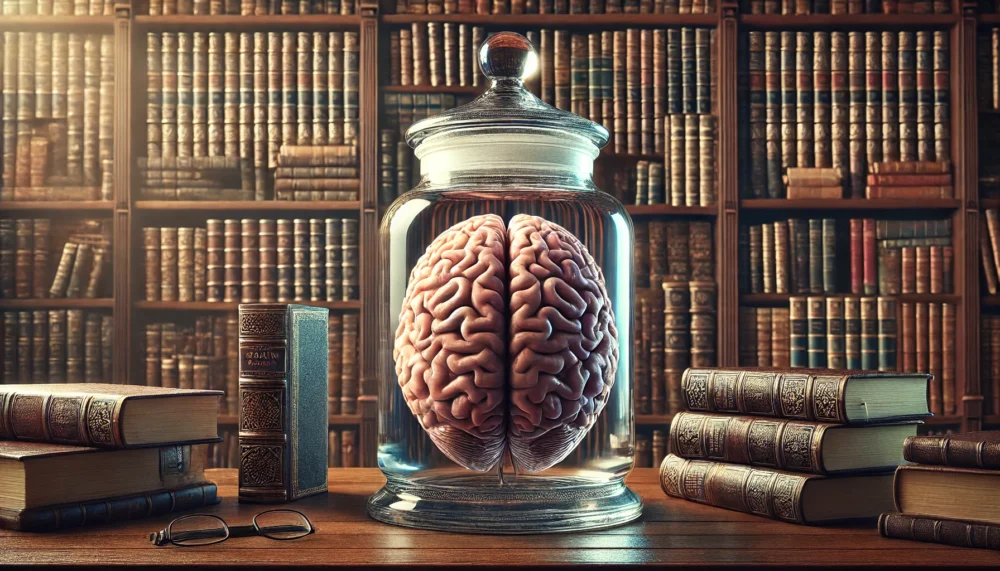
Dreams are often discussed in learning theories because sleep is deeply connected to memory, integration, and emotional processing. Different theories explain dreaming in different ways, but many agree on one practical point: what happens during sleep helps organize what was experienced while awake. Dreams may not be the whole learning process, but they are often part of how the mind consolidates experience, sorts meaning, and strengthens or reshapes memory.
That means dreams can be relevant not only to interpretation but also to education, skill development, emotional learning, and adaptation.
Memory Consolidation and Dreaming
One major learning-related view is that sleep supports memory consolidation. Experiences from the day are stabilized, reorganized, and integrated into existing knowledge. Dreams may reflect fragments of this process, which is why recent events often appear in altered form. A dream may not replay a lesson literally. It may recombine parts of learning with older memory and emotion.
Emotional Learning
Learning is not only factual. It is emotional. Dreams often help process emotional experience, and this matters because emotional significance strongly shapes what gets remembered. A stressful or meaningful event may show up in dreams because the mind is still working out its impact. In this sense, dreams are tied to how people learn from relationships, conflict, embarrassment, fear, and success.
Cognitive Theories and Dreams
From a cognitive perspective, dreams may help the mind simulate possibilities, rehearse scenarios, and strengthen associations. Even bizarre dream scenes can reflect meaningful recombination. This does not mean every dream has a direct instructional message, but it does support the idea that dreaming is related to the brain’s broader work of integrating information.
Behavioral and Experiential Angle
Dreams also matter indirectly in learning because sleep quality affects attention, memory, and performance the next day. A well-rested brain learns better. Disturbed sleep disrupts learning. So even if a theory does not treat dreams themselves as educational, the dream phase is still tied to learning outcomes through the quality and structure of sleep.
Why This Matters Practically
- Dreams can reveal what the mind is still processing from study or experience.
- Good sleep supports memory, insight, and emotional adaptation.
- Dream recall can sometimes highlight unresolved learning or stress.
- Sleep disruption can weaken both factual and emotional learning.
Final Interpretation
Dreams matter to learning theories because sleep helps the brain integrate memory, emotion, and experience. Whether dreams are seen as byproducts or active parts of that process, they remain closely tied to how people absorb, organize, and adapt to what life teaches them.
FAQ: Dreams and Learning Theories
Do dreams help learning?
They may help indirectly by reflecting and supporting memory integration, emotional processing, and cognitive flexibility during sleep.
Why do study-related dreams happen?
Because recent learning often gets reprocessed during sleep and can appear in altered dream form.
Is dreaming required for memory consolidation?
Dreaming and memory consolidation are closely connected, but the exact relationship is still studied and explained differently across models.
Can poor sleep affect learning more than dream content itself?
Yes. Sleep quality has a major effect on attention, memory, and emotional regulation.