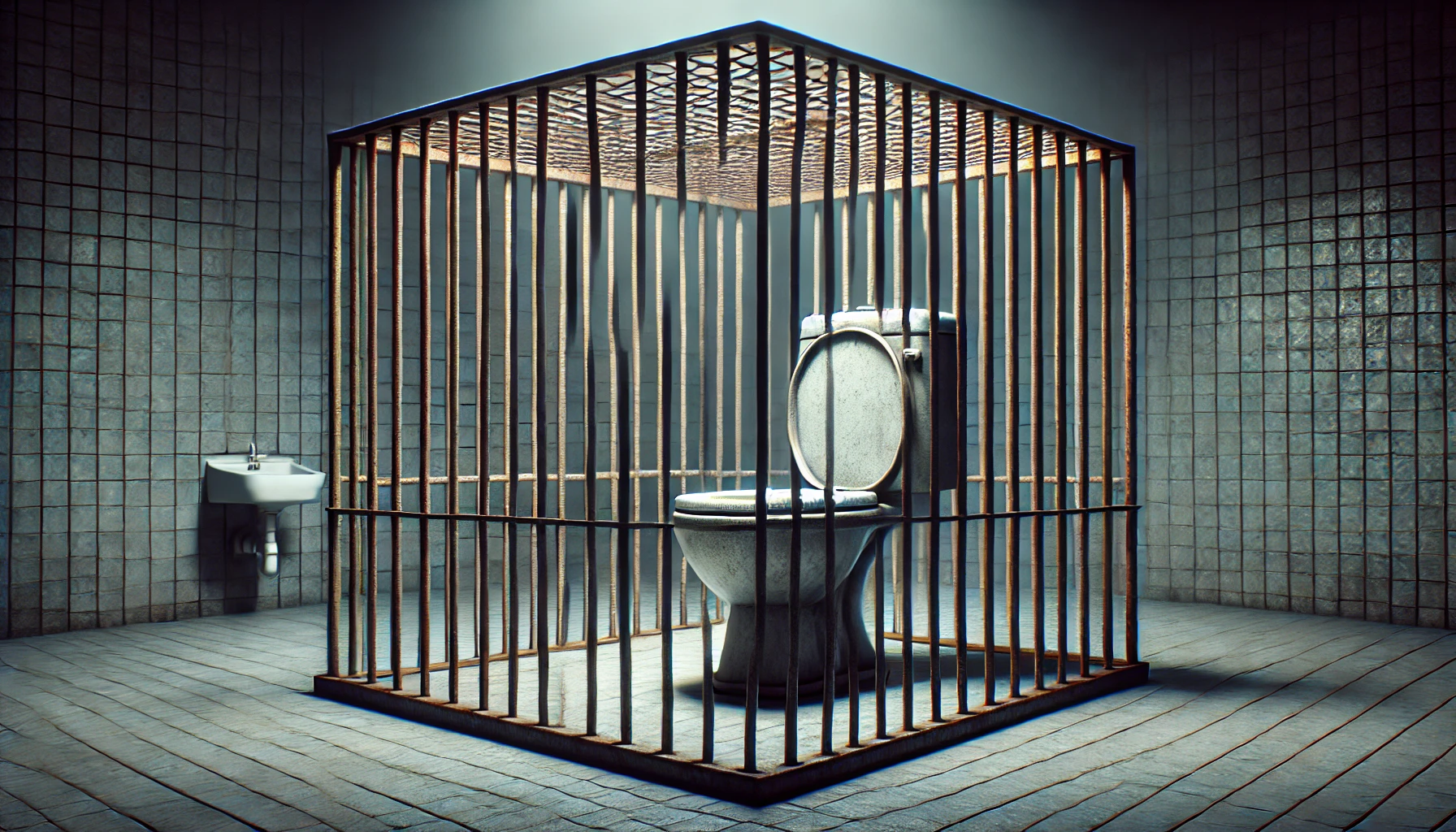
Quick answer: An empty room in a dream can represent loneliness, unused potential, emotional space, or a transition between identities. Its meaning depends on whether the room felt peaceful or abandoned, whether it belonged to you, the light and doors you noticed, and what you expected to find there.
Empty room versus empty house
One empty room usually narrows attention to a single role, relationship or private need. An entire empty house broadens the question to identity, belonging or a major life structure. A bedroom may center intimacy or rest; an office can reflect purpose; a nursery can concern expectation, care or a future that changed.
Do not assume emptiness is negative. A clean, bright room can be unclaimed space; a stripped or damaged room more strongly suggests loss, disruption or forced change.
Doors, windows and what is missing
An open door creates an option to leave or enter, while a locked door adds restriction. A window can offer perspective without access. Instead of asking only what the room symbolizes, list what should have been there: furniture, a person, light, sound or an exit. The missing element makes the interpretation concrete.
Why the feeling in the room matters
Dream studies find that emotional reactions can remain continuous even when dream situations are impossible. That makes your felt response more reliable than a universal symbol list. Compare the room’s emotion with one recent waking moment: when did you last feel equally peaceful, exposed, abandoned or ready to begin?
White room, small room or empty house?
These scenes share a lack of familiar contents, but they do not create the same experience. A white empty room may feel clean and open, clinical and exposed, or simply unfinished. A very small room centers physical limits even when it is not empty. An empty house expands the absence across many roles and relationships, whereas one empty room usually narrows attention to a particular part of life.
- Bright white room: use the emotion to distinguish possibility from sterility or scrutiny; color alone is not a fixed code.
- Small room with no exit: confinement and available choices matter more than vacancy.
- Empty room in your own home: ask what normally happens there and who is missing.
- Unknown empty room: the scene may concern an unassigned role, unfamiliar transition or part of yourself you have not defined.
- Empty house: belonging, family structure or a larger identity shift may be in view.
What a spiritual reading can and cannot tell you
Within a spiritual framework, emptiness may be understood as silence, release or space for a beginning. That can be personally meaningful, but it is not evidence of an omen or one universal message. Test the interpretation against the room’s mood, the door or window, what you expected to find and the waking situation that carries the same feeling.
If the room was unexpected, compare discovering a secret room. An unfamiliar temporary space is explored in the hotel-dream guide, while a familiar place from the past fits dreams of old homes. If the window mattered more than the room, read about windows and perspective in dreams.
Compare rooms, doors and confinement
- Doors opening by themselves — compare vacancy with an unexpected entrance or opportunity.
- Dream of being trapped — relevant when the room has no usable exit.
- Dream of moving house — useful when the empty room belongs to a transition.
- Being watched in a dream — compare privacy with exposure.
Sources and method
The room meanings above are contextual prompts, not diagnoses or predictions.
- Study: continuity between waking emotions and dream reactions
- Study of more than 38,000 dream reports
- NINDS: Understanding Sleep
Interpret your own dream
A general definition is only a starting point. Add the people, places, emotions, and ending from your dream to get a more personal interpretation.